
Why Your 2-Year-Old Points and Grunts Instead of Talking
— And the 4 Things You Can Start Doing at Breakfast Tomorrow That Actually Get Them Using Words
Free Live Masterclass with Speech-Language Pathologist Amy Mello
Did You Know That 20–30% of Late Talkers Do Not Catch Up to Their Peers Without Help?
That is not a scare tactic. That is the clinical reality — and it is exactly why "wait and see" is not a neutral decision.
If your toddler is pointing instead of talking, grunting instead of saying words, or communicating in ways that leave you lying awake at 11pm with your phone open and seventeen tabs about late talkers — you are not overreacting. That feeling in your chest is information. And this masterclass was built for exactly where you are right now.
In This Free 60-Minute Live Training, You Will Walk Away Knowing:
This is not a generic speech tips video. This is 60 minutes of clinical knowledge translated into plain language so you can stop Googling at 11pm and start doing something that works — tomorrow morning.
This Masterclass Is For You If:
1.
Your toddler is around 2 years old and is pointing, grunting, or using very few words — and something still feels off even after the pediatrician told you everything is fine
2.
You have been told to wait and see and you cannot shake the feeling that waiting is costing you time you do not get back
3.
You are on a speech therapy waitlist, waiting for a referral, or sitting between appointments with no idea what to do in the meantime
4.
You want answers from someone who has been working with late talkers since 2008 — not a forum from 2009 and not a speech app that has never met your child
What You Will Discover in This Free Masterclass
Why your toddler is pointing and grunting instead of using words — and what that actually tells you about where their communication foundation is right now
Pointing and grunting is information — and once you know how to read it, you stop panicking and start knowing exactly what to build next. By the end of this section you will understand your child's communication in a way that no 15-minute paediatrician appointment has ever given you.
The 5 building blocks of communication that have to be strong before words can fully emerge — and why focusing on word count right now may be the thing slowing your child down
Most parents are watching the word count. But words are not the first thing to build — they are the last. There are 5 foundations that have to be in place before a toddler's brain is ready to attempt words consistently. This masterclass shows you exactly what those are, how to spot which ones your child is still building, and what to do about it — before you spend another month focused on the wrong thing.
Why talking more and narrating your whole day is often not enough — and how too many words at once can actually make it harder for your toddler to grab onto language
If you have been describing everything out loud — the colour of the cup, the name of every toy, everything happening in real time — and your child is still not talking, this is why. More words from you does not automatically mean more words from them. There is a specific reason that too much language input can overwhelm a late talker's processing system and make word attempts less likely, not more. You will understand this completely by the end of this section — and you will never narrate the same way again.
The 4 simple shifts that get late talkers using words — without adding a single extra activity, practice session, or structured drill to your already full day
These are not strategies that require you to sit down at a table with flashcards. They are 4 specific adjustments to the way you already interact with your child — at breakfast, during bath time, in the car, at snack — that create the exact conditions a late talker's brain needs to attempt words. Parents who have used these shifts have seen their children attempt first words within weeks. Not months. Weeks.
How to choose the right first words to target — based on what your child actually wants to say and what their mouth can realistically produce right now
Not all first words are created equal. The words on a generic list from your pediatrician may not be the right words for your child's specific mouth and motivation. In this section you will learn the exact criteria I use in my private practice to choose a late talker's first target words — so you are not guessing, and your child is not being asked to attempt something their system is not ready for yet.
How to build language routines into the moments you are already in — breakfast, bath, snack, play, bedtime — so your child hears the right words in the right way at the right time, every single day
Repetition builds language. But not random repetition — predictable, routine-based repetition inside moments your child already feels safe in. This is the clinical mechanism behind why toddlers often try a new word at home before they will ever attempt it in a therapy room. Your daily routine is not filler between appointments. It is the most powerful language environment your child has — and this section shows you exactly how to use it.
A step-by-step breakfast plan you can start tomorrow morning — so you stop guessing what to do and start creating real opportunities for words to emerge before the day has even begun
You will not leave this masterclass with a list of ideas and no direction. You will leave with a specific plan for tomorrow morning — what to say, how to say it, when to pause, and what to watch for. This is the part where "I don't know what to do" becomes "I know exactly what to do, and I am already doing it."
There Has Never Been a Better Time to Stop Waiting and Start Helping Your Child
Every week that passes is a week inside the most neurologically receptive window of your child's entire life. The interactions you have with your toddler between now and their next appointment — at the breakfast table, in the bath, during snack, at bedtime — are not filler time. They are the work. And right now, most of those moments are going untouched because no one has taught you what to do with them.
This masterclass changes that.
Here is what parents who have already learned this say:
I left feeling like someone had finally validated everything I had been feeling for months. My son was 22 months and pointing at everything. The pediatrician said he was fine. After learning what to actually do at home, he said his first two words within three weeks. Three weeks. I wish I had found this sooner.
I had been Googling at 11pm every night for two months. I was exhausted, scared, and convinced I was doing everything wrong. Once I understood what was actually happening and started using the routine strategies during bathtime, something clicked. He started trying. Not perfectly — but trying. That was everything.
📅 Sunday, July 26 | 7pm EST | Free | Live | Limited Spots
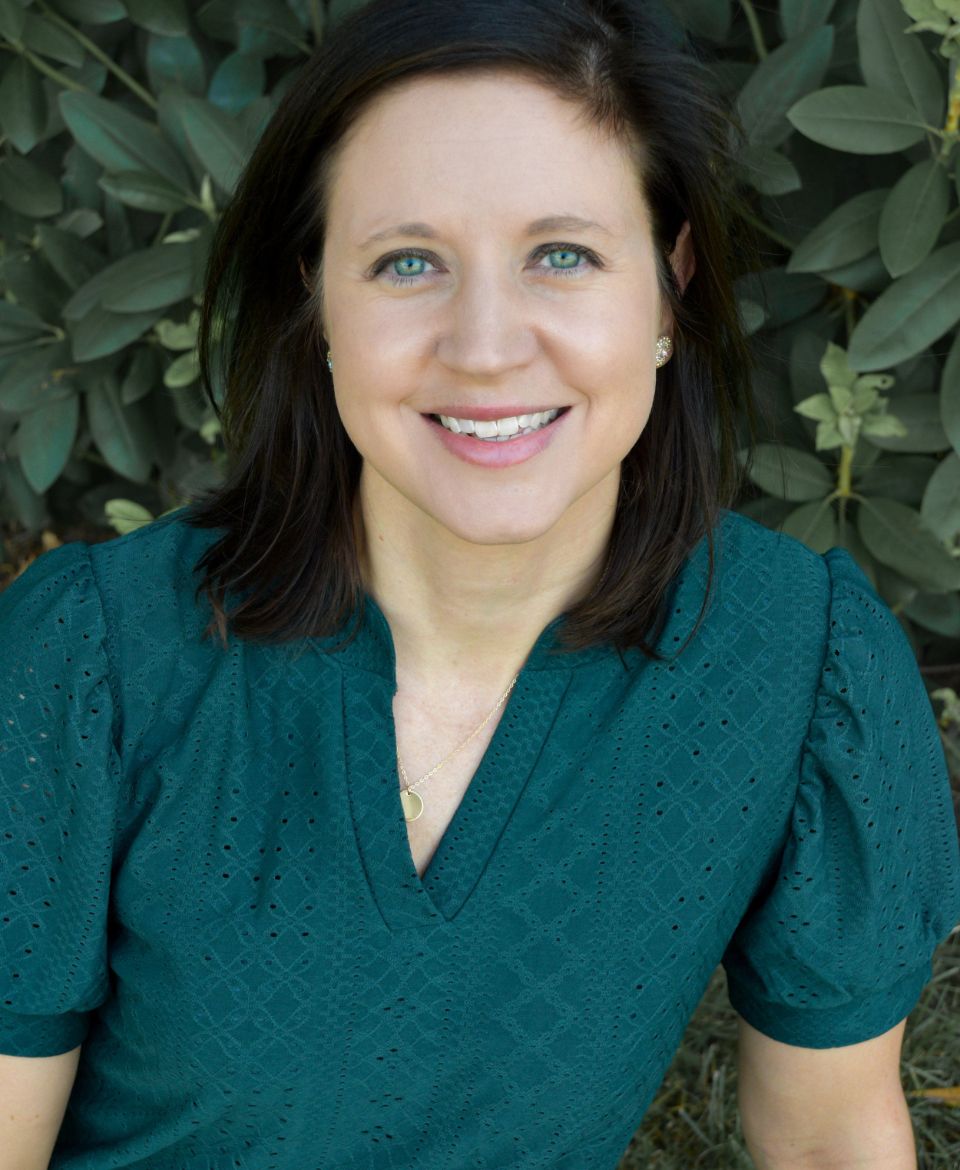
Hi, I'm Amy Mello
I am a Speech-Language Pathologist and I have been working with late talkers and their families since 2008.
In 2011, I opened my own private practice — and since then I have helped hundreds of late talkers find their words and taught their parents how to use their daily routines as a secret weapon for getting their toddlers to say more.
I know exactly what it feels like to sit across from a parent who already knew something was off — who left three pediatrician appointments with a clean chart and that feeling in their chest that something was being missed. I have seen what happens when families wait. And I have seen what happens when they do not.
That gap is the reason I built this masterclass.
Inside This Free Training, You Will Get the Same Foundational Strategies I Use With Children Inside My Private Practice — Without:
What You Will Have Instead
Are You Ready to Stop Waiting and Start Helping Your Child Use Words?
You have been Googling at 11pm. You have sat in a pediatrician's office and walked out with a clean chart and that feeling in your chest that something was missed. You have watched another toddler at the playground string words together and driven home quiet, wondering if you are missing something.
You are not missing something. You are missing the information. And that is what this masterclass gives you.
In 60 minutes on July 26, you will walk away knowing exactly what is happening, exactly why, and exactly what to do about it — starting tomorrow morning at breakfast.
Registering takes 30 seconds.
Waiting costs more than that.
YES, SAVE MY SPOT📅 Sunday, July 26 | 7pm EST
Free. Live. Limited spots available.